
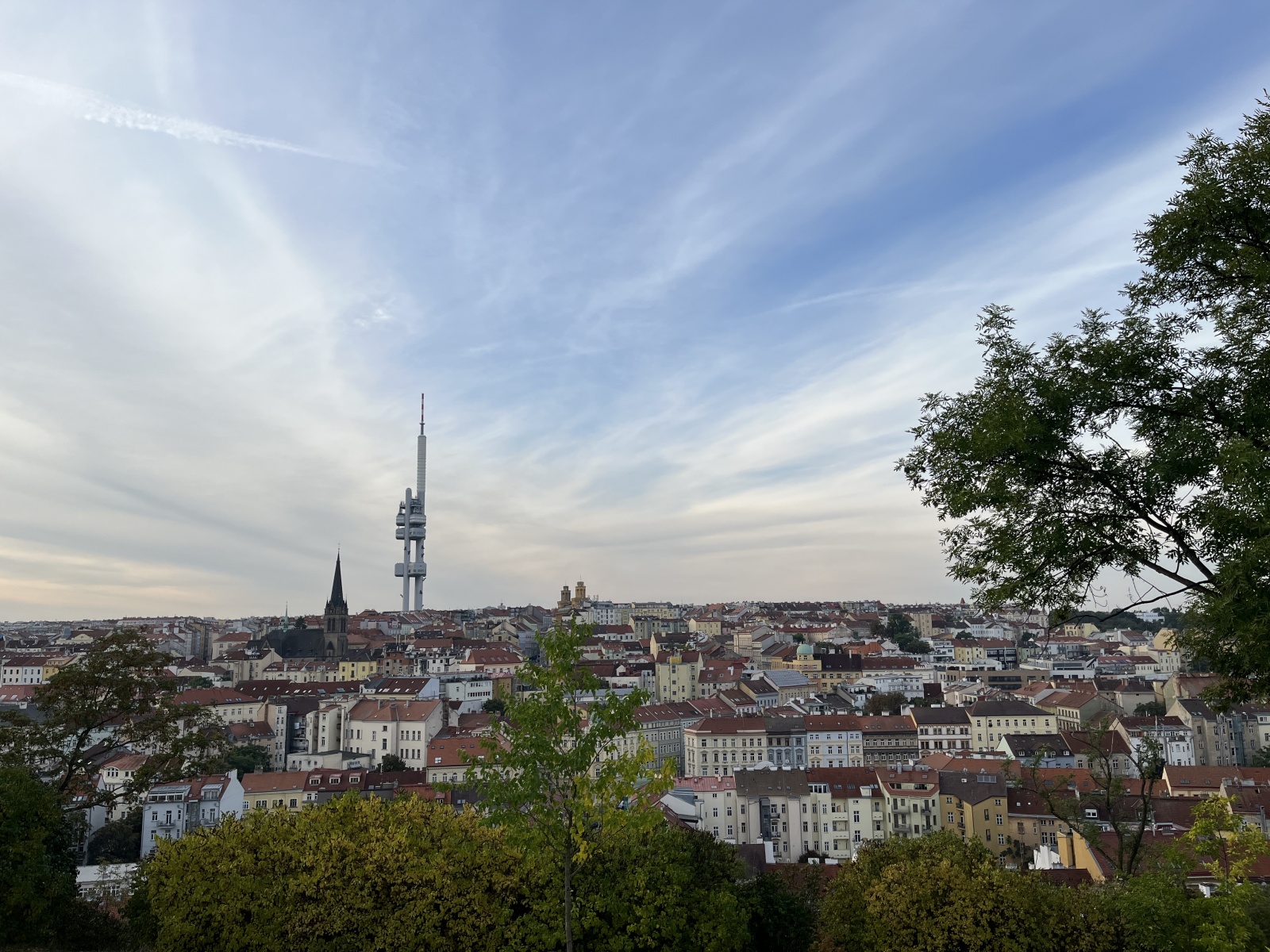
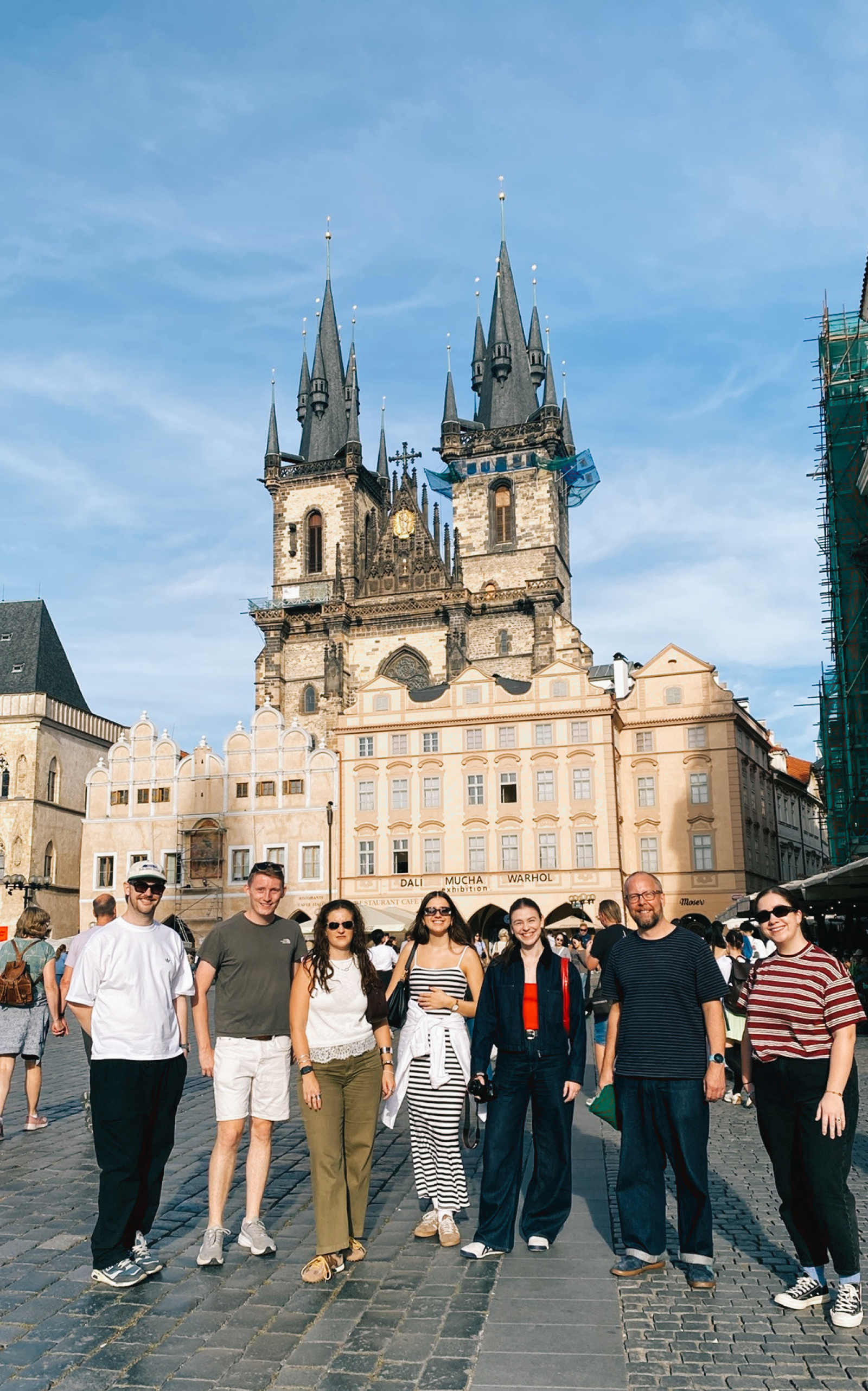
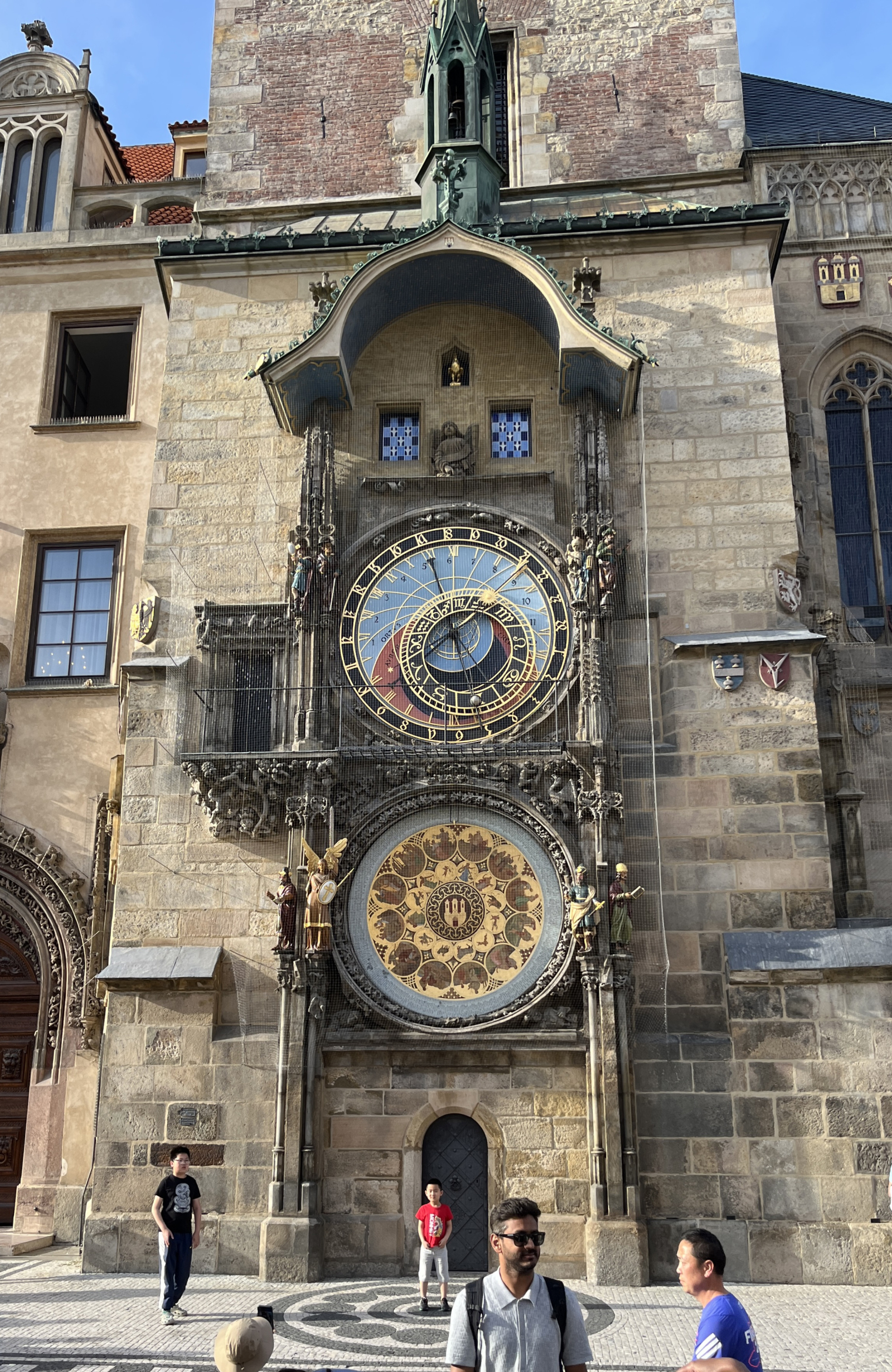
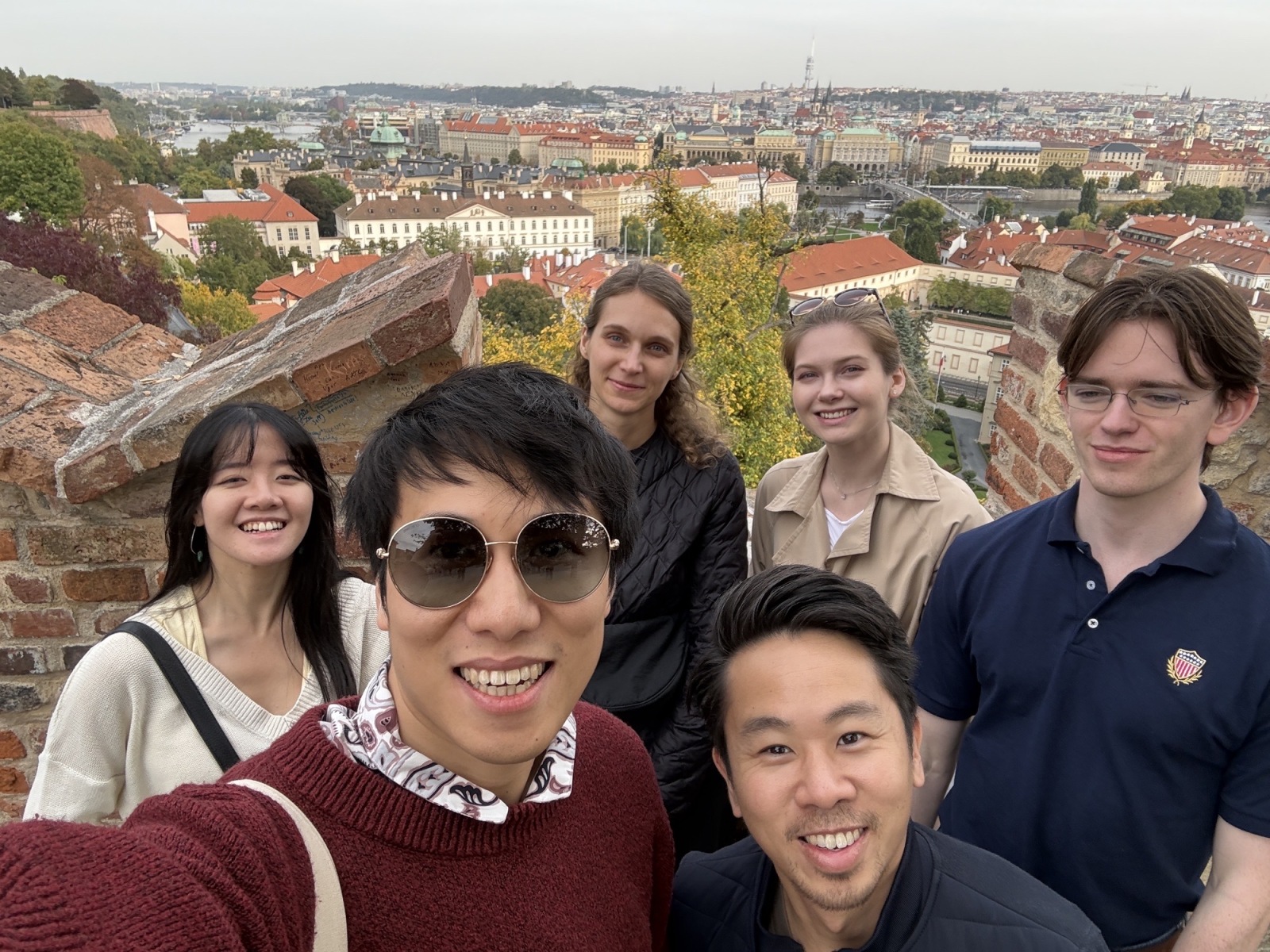


This year’s Apt conference took us to Prague for three days of architectural exploration, team integration, and finding inspiration in the layered history of the city, spanning from medieval Gothic churches through baroque, art nouveau, cubism, to modernism and contemporary architecture. Experiencing these layers together reminded us that cities are shaped by the accumulation of ideas, cultures and ambitions over time, reinforcing our approach to designing within an evolving context.
Our trip began with the exploration of the Old Town, including the iconic Charles Bridge constructed in the early 15th century, giving us the opportunity to understand the origins of the capital and experience the architectural legacy of Prague’s imperial past. The relationship between the bridge and its surroundings demonstrated how architecture can create continuity, highlighting the importance of designing spaces that have the potential to become part of a city’s long-term identity.
We then continued our exploration of Prague’s history by focusing on Art Nouveau, which evolved from the growing separation from the Austro-Hungarian empire, spurring a need to establish a new cultural and national identity. The ornamental styles of the Municipal House and the art of Alphonse Mucha provided striking examples of this movement, demonstrating how architecture can respond to wider social and political change and emphasising the existence of buildings within a specific context.
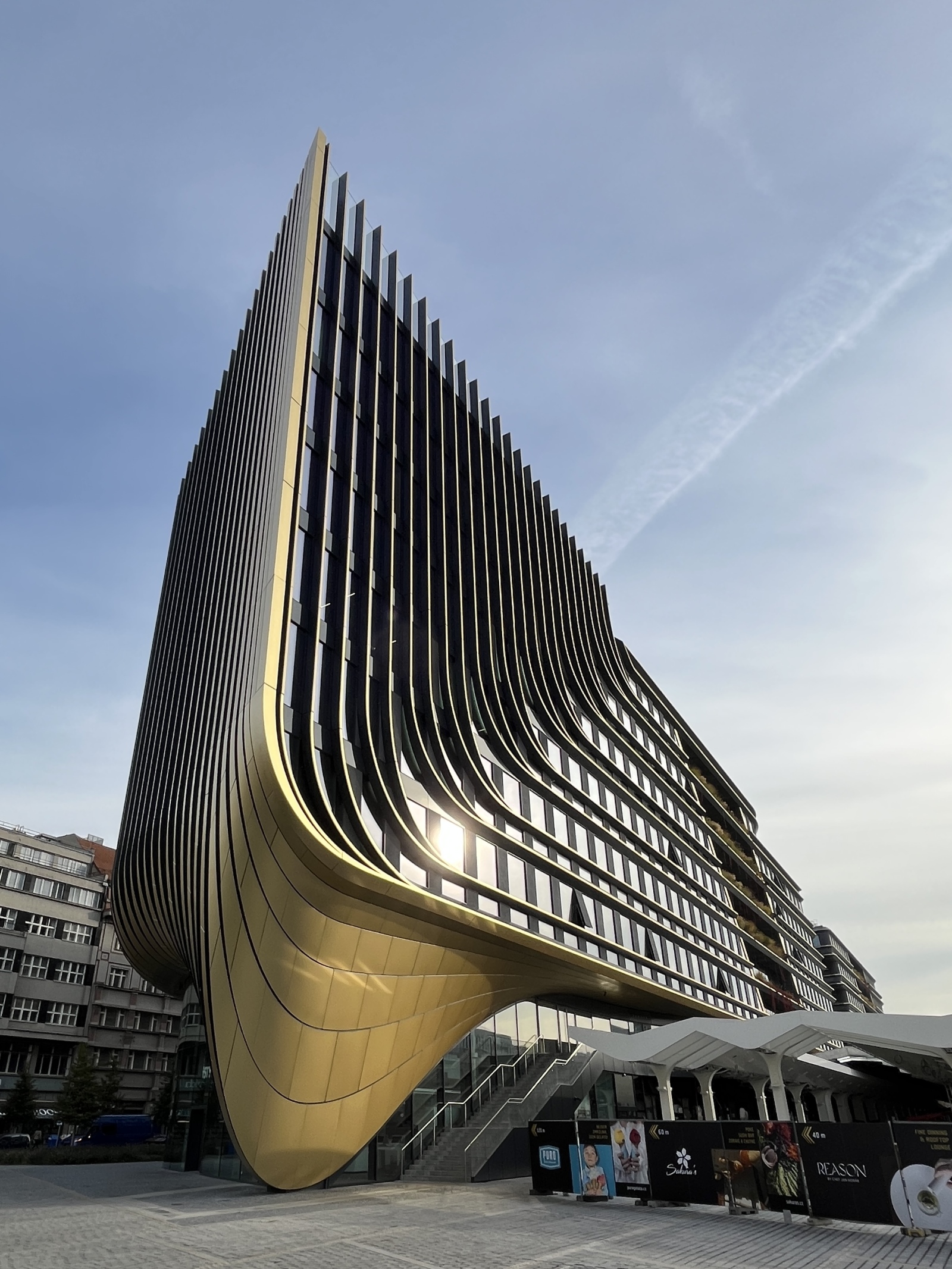
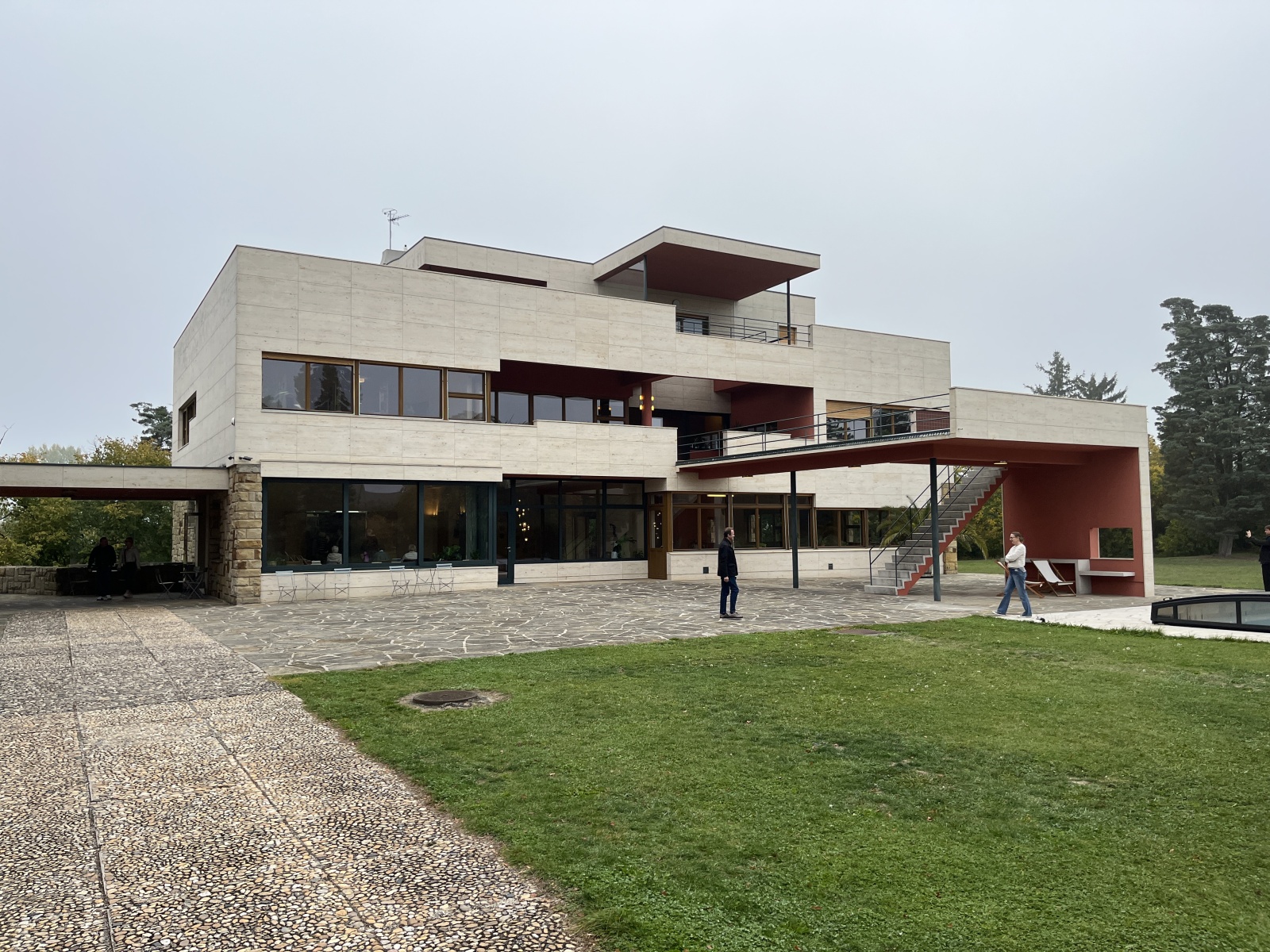
The evolution of Czech identity became particularly visible in the House of Black Madonna, one of the key examples of cubist architecture in Prague, and the Bata department store, reflecting the later impact of modernism and functionalism. Seen alongside contemporary designs by architects such as Frank Gehry and Zaha Hadid, the contrasting styles of architecture present throughout Prague showcase not only the various influences that have managed to leave their mark on the capital, adding to its multi-layered heritage, but also the ever-evolving nature of cities combining new notions with continuity of existing structures.
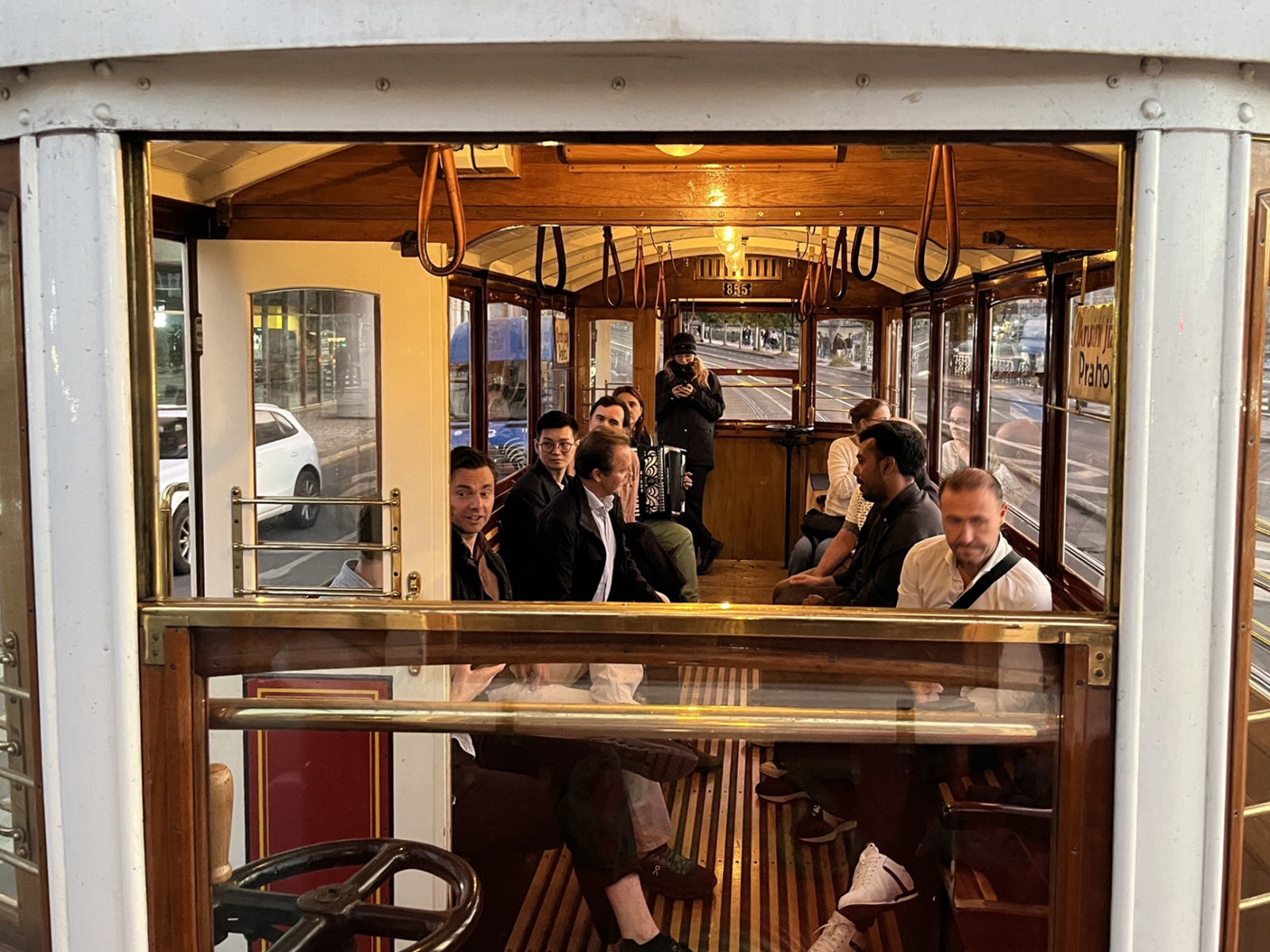
Equally important to architectural exploration, the conference provided time to connect as a team away from the studio by experiencing Prague through its wider culture and craft. Exploring art and glassmaking, travelling on a vintage tram, sharing traditional Czech food and discovering the city together created space for conversations beyond the rhythm of everyday project work, allowing us to strengthen our team spirit and create lasting memories.
We were privileged to have this opportunity to spend time together in Prague, made possible by the practice. We returned reinvigorated and inspired, with a renewed appreciation for the balance between change and continuity: respecting what exists while having the confidence to contribute something new, and designing places that can evolve alongside the people and cities they serve.
Share
